.jpg)
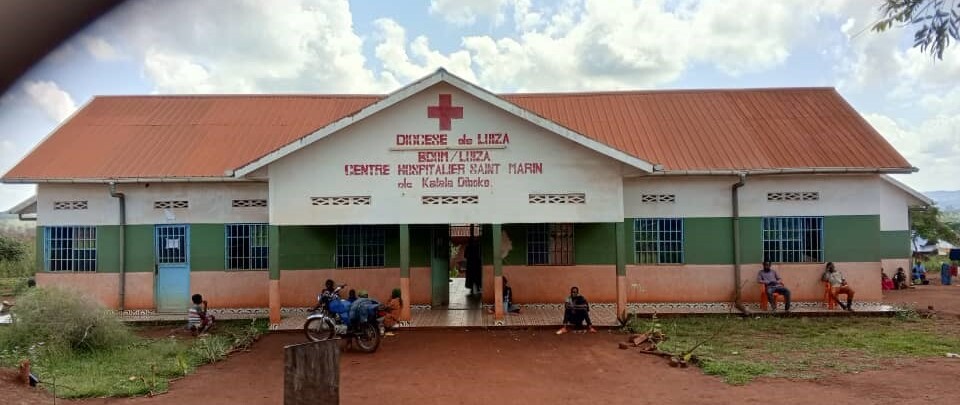
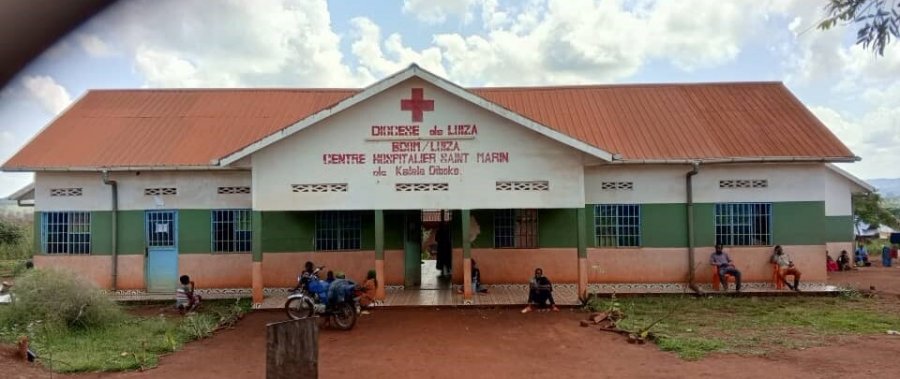
The opening of the Kalala-Diboko Hospital Center represents a crucial step towards improving healthcare conditions in remote communities in Central Kasai, Democratic Republic of Congo. Located in a region characterized by isolation and infrastructure deficiencies, this healthcare facility is the result of a project that began in 2016 and was made possible thanks to the support of Del Conca Group stakeholders.
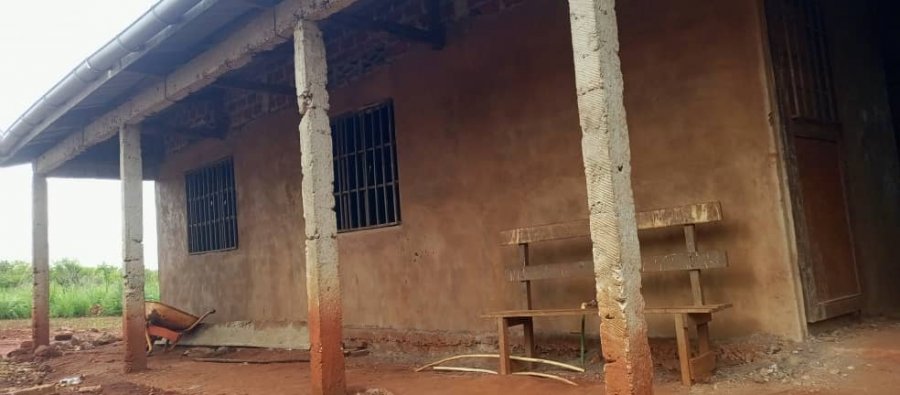
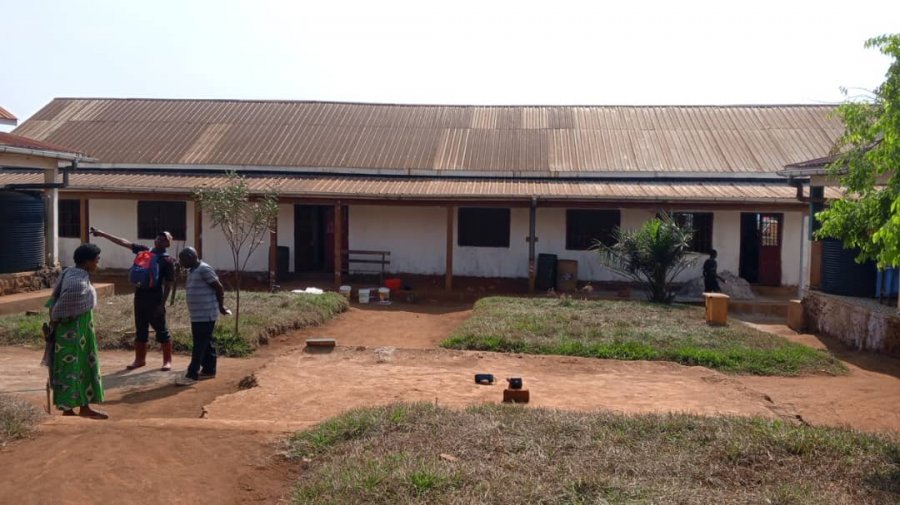
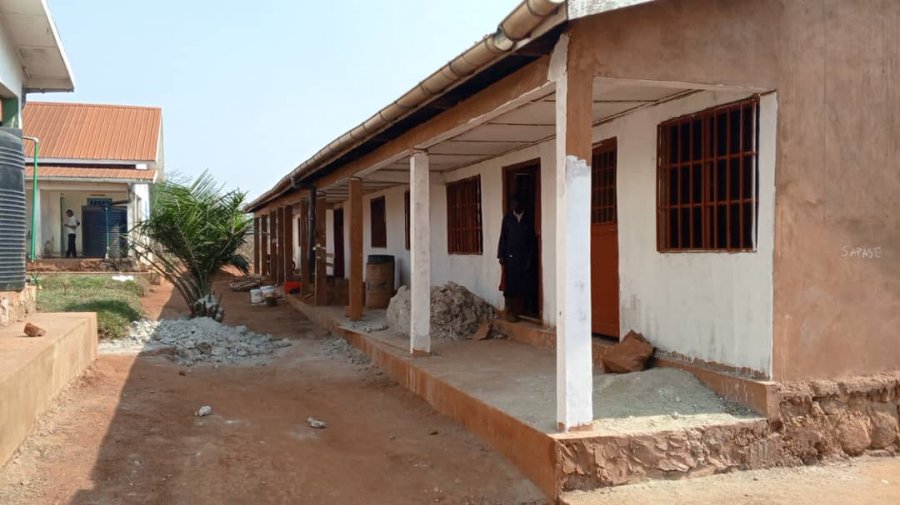
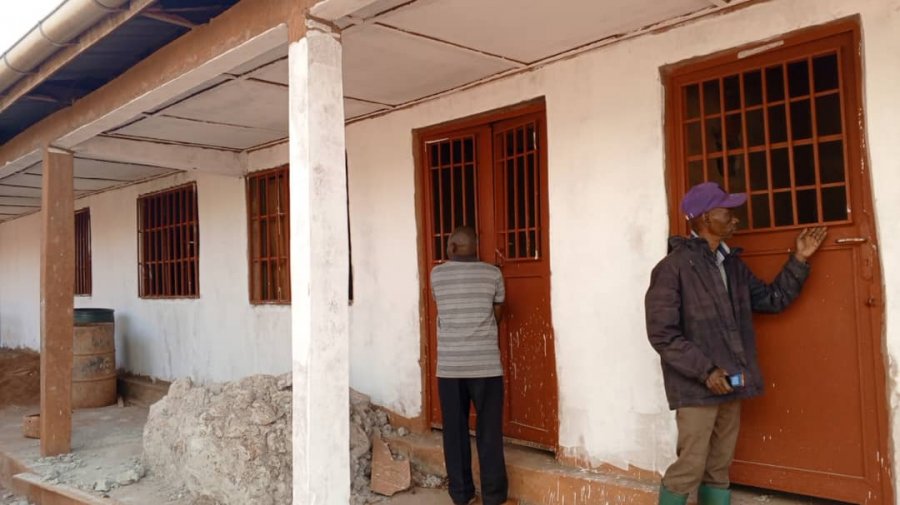
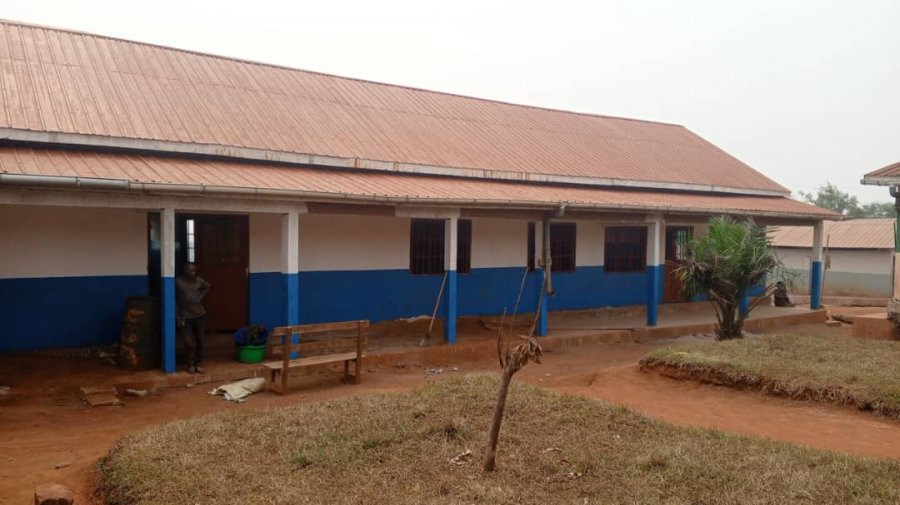
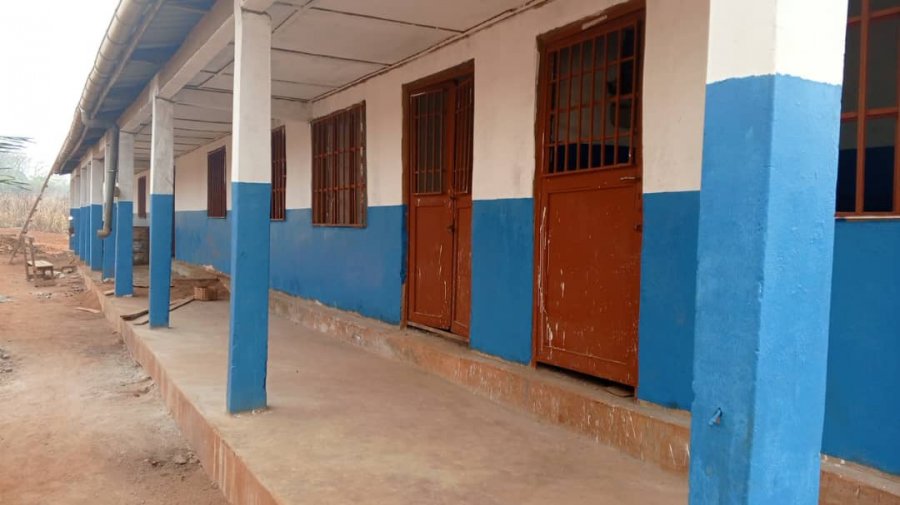
The project saw the completion of ward no. 4, dedicated to pediatrics and hospitalization, which expands the center's capacity by 30 beds. This ward, the largest with an area of 224 square meters plus verandas, underwent structural work, flooring installation, painting, electrical and plumbing installation, and the purchase of furniture. The other three pavilions, which have already been operational for several months, house the operating room, delivery room, analysis laboratory, radiology department, and various clinics.
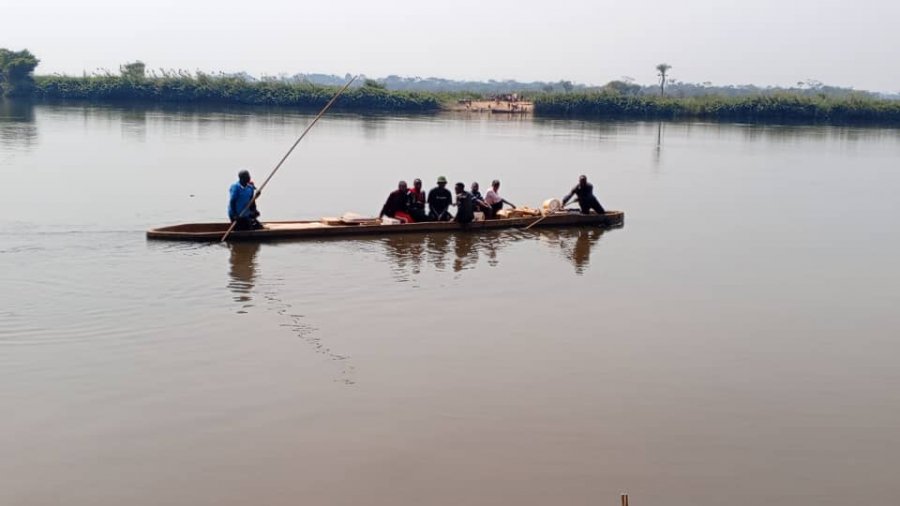
This new center not only provides vital support in terms of healthcare, but also represents a concrete response to the needs of a population of approximately 45,000 people, who can now count on immediate and reliable medical services. Despite logistical challenges and conflicts in the region, the hospital center offers essential services such as an operating room, a maternity ward, and first aid clinics, thereby improving the quality of life and health of local communities. The construction of the center was a necessary response to urgent health needs in an area where access to care was limited by two large rivers, the Lulua and the Luiza, which have no bridges and are crossed by canoes made from tree trunks.
This new center not only provides vital support in terms of healthcare, but also represents a concrete response to the needs of a population of approximately 45,000 people, who can now count on immediate and reliable medical services. Despite logistical challenges and conflicts in the region, the hospital center offers essential services such as an operating room, a maternity ward, and first aid clinics, thereby improving the quality of life and health of local communities. The construction of the center was a necessary response to urgent health needs in an area where access to care was limited by two large rivers, the Lulua and the Luiza, which have no bridges and are crossed by canoes made from tree trunks.
.jpg)
-1.jpg)
.jpg)
.jpg)
.jpg)
.jpg)
-1.jpg)
.jpg)
.jpg)
.jpg)
.jpg)
.jpg)
 IT
IT EN
EN FR
FR DE
DE